Ion Beam Applications
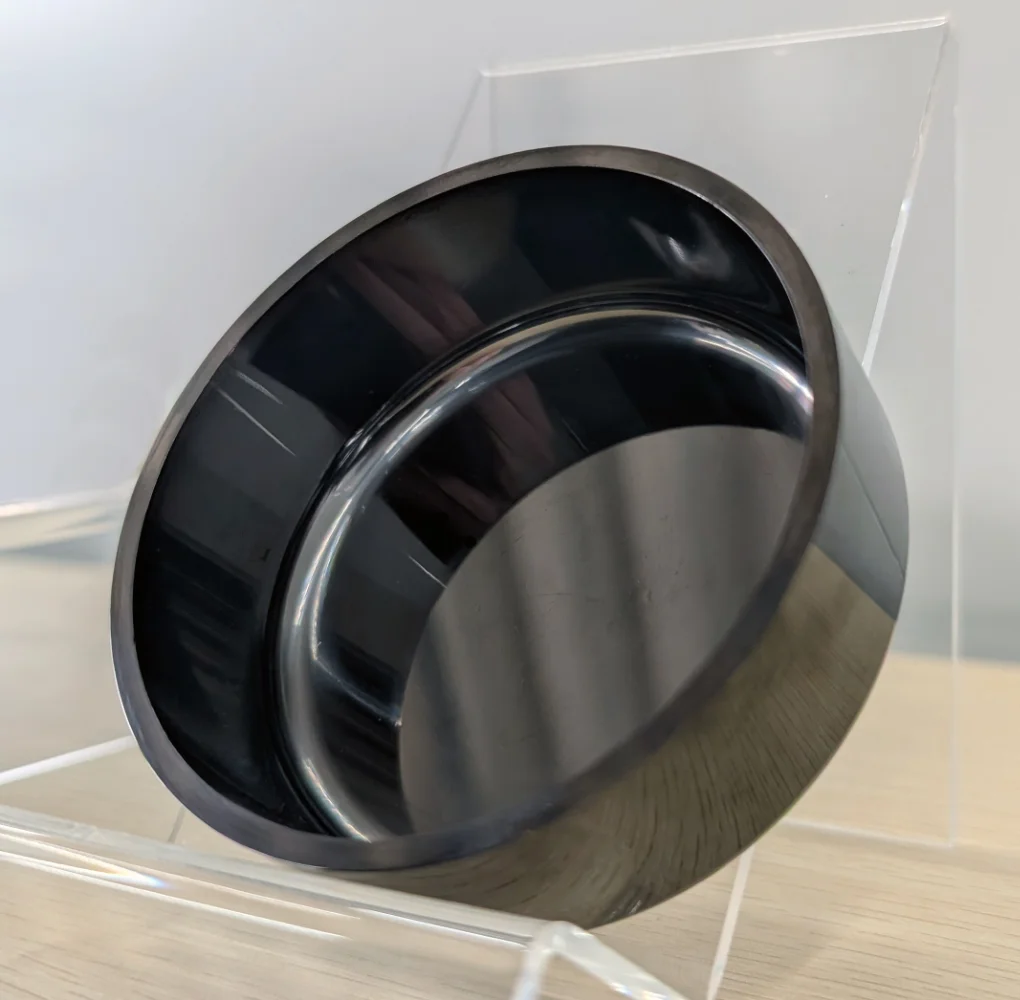
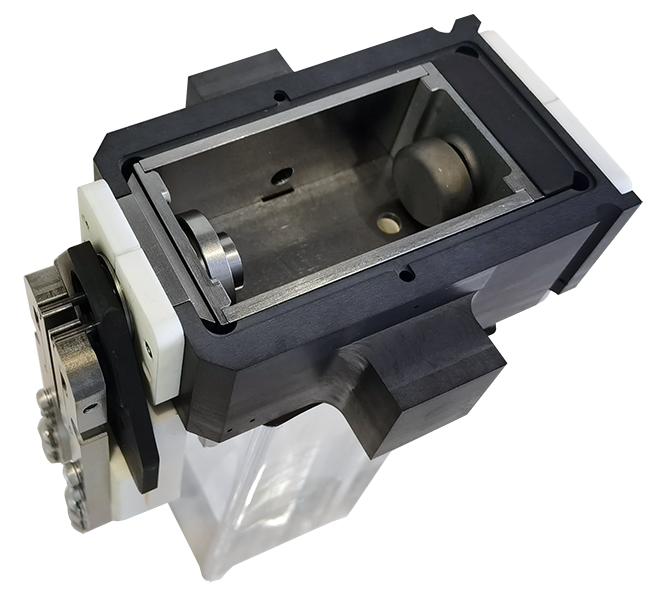
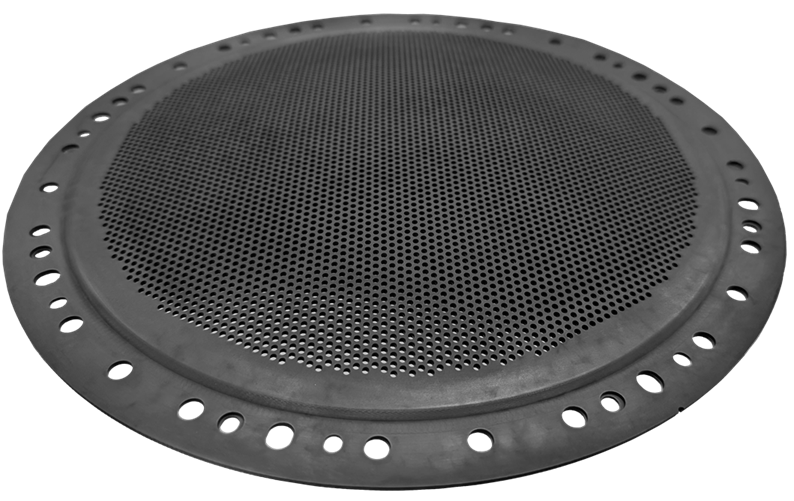
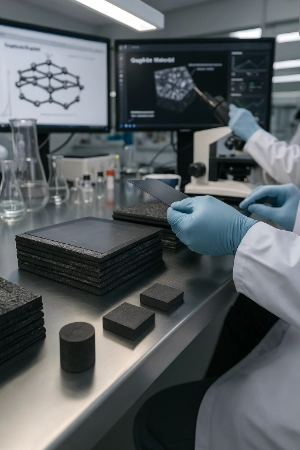
VitreSeal™ is a specialized material where ultra-pure graphite is impregnated with glassy (vitreous) carbon to seal pores, enhance durability, and reduce emissions. It is commonly used for components like beam liners, electrodes, apertures, beam stops, and ion optics in ion beam systems. Compared to molybdenum, which is often used for ion chambers or grids due to its high-temperature strength and resistance to reactive gases, VitreSeal™ offers several superior technical advantages:
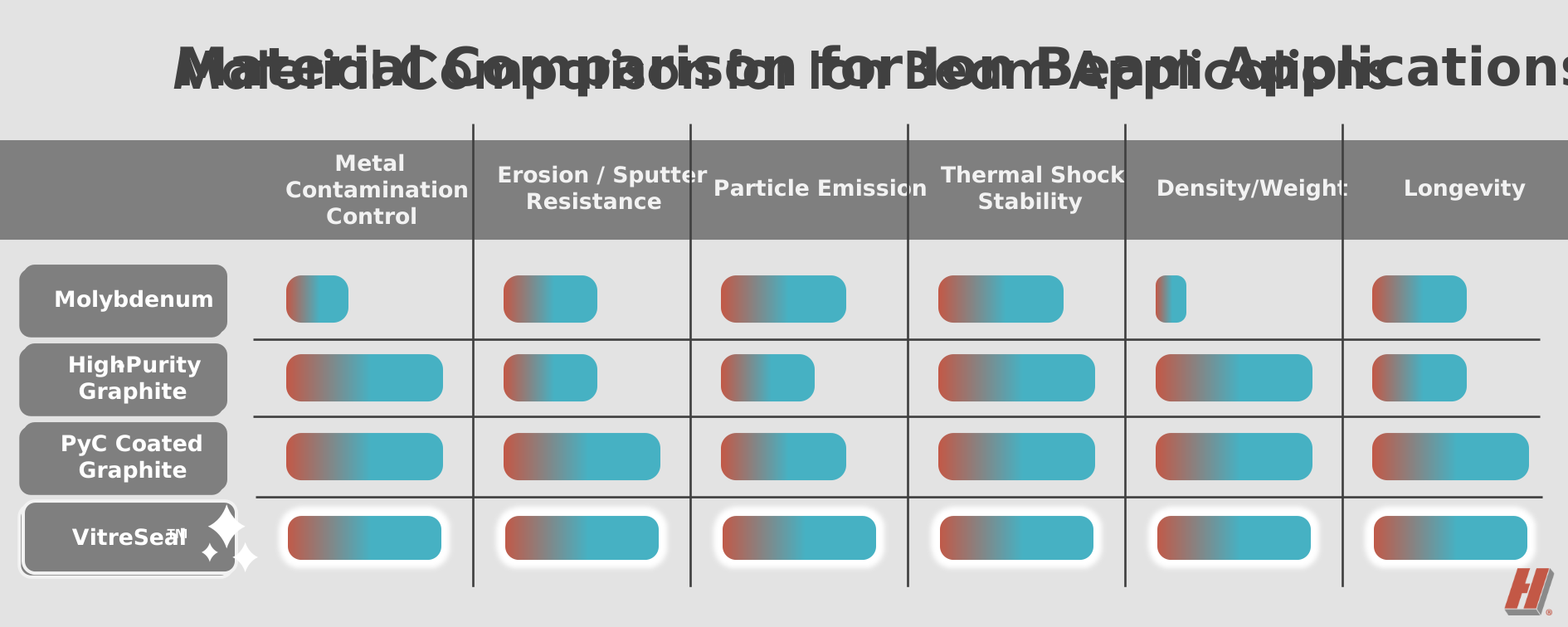
• Reduced Particulate Generation and Dust Emission: The vitreous impregnation creates a deep anchor effect, sealing the surface and encapsulating particles. This suppresses dust production during operation, which is critical in cleanroom environments like semiconductor fabrication to prevent wafer defects. Molybdenum, while durable, can generate more particles through erosion or flaking, leading to higher contamination risks.
• Elimination of Metal Contamination: As a Carbon-based material, it introduces no heavy metal impurities, ensuring ultra-high purity (<5ppm). This is essential for doping silicon wafers without altering electrical properties. Molybdenum parts can sputter or leach metal ions under ion bombardment, causing unwanted metallic contamination that degrades semiconductor performance.
• Superior Wear Resistance and Lower Erosion Rates: The vitreous (glassy) carbon enhances hardness and durability against ion beams, resulting in low consumption rates and extended component lifetimes (i.e. reduced frequency of replacements). In ion optics for thrusters, carbon materials like this have lower sputter yields (for xenon or other ions) compared to molybdenum, leading to 2-5x slower erosion and better suitability for long-duration operations. Molybdenum erodes faster under high-energy ion impacts, compromising structural integrity over time.
• Improved Vacuum Compatibility and Low Outgassing: The vitreous (glassy) carbon reduces porosity, minimizing adsorption/emission of gas impurities and outgassing in high-vacuum conditions. This maintains stable process performance and prevents pressure fluctuations. Compared to even
• Thermal and Mechanical Stability: It maintains dimensional accuracy under repeated thermal cycling (no cracking), with high thermal shock resistance.
• Process Efficiency: Longer lifetimes and reduced contamination lead to higher wafer yields and lower downtime in ion implanters.